

While occasional worry or avoidance is a normal part of development, anxiety becomes a concern when these behaviors are frequent, intense, or interfere with a student’s ability to engage in daily routines, participate in learning, or function in the classroom without causing distress to themselves or disruption to others. When a student’s emotional needs consistently prevent teachers from teaching or peers from learning, it’s time to consider whether anxiety may be playing a role.
Anxiety is one of the most common mental health challenges affecting students today, often manifesting in ways that can hinder academic performance, social interactions, and overall well-being. As an education professional, you are uniquely positioned to identify early signs of anxiety and implement effective interventions within the school environment.
Students may exhibit anxiety through various behaviors, including:
Frequent complaints of physical ailments like headaches or stomachaches
Avoidance of school or specific activities
Difficulty concentrating or restlessness
Excessive worry about academic performance or social situations
Withdrawal from peers or reluctance to participate in class
Individual Support: Provide one-on-one counseling sessions focusing on coping mechanisms and stress management.
Group Programs: Facilitate group sessions that teach social skills and resilience-building.
Classroom Interventions: Collaborate with teachers to integrate anxiety-reducing techniques into daily routines.
Resource Provision: Distribute materials such as anxiety workbooks and relaxation technique guides.
These interventions aim to equip students with tools to manage their anxiety effectively.
Involving parents is essential in addressing student anxiety:
Communication: Maintain open lines of communication with parents to discuss observations and concerns.
Education: Provide information on anxiety and its impact on learning and behavior.
Collaboration: Work together to develop consistent strategies between home and school environments.
Referral Guidance: Assist parents in seeking external support services when necessary.
Parental involvement ensures a cohesive approach to managing student anxiety.
There are situations where further assistance is required:
Persistent Symptoms: If anxiety symptoms continue despite interventions, consider referring the student to specialized mental health professionals.
Crisis Situations: In cases of severe distress or risk of harm, initiate crisis intervention protocols.
Collaborative Efforts: Engage with multidisciplinary teams, including psychologists and counselors, to develop comprehensive support plans.
Recognizing when to seek additional support is vital in providing effective care for students.
Additional support can come in many ways, here are a few:
Evaluations and Assessments: Mental health professionals can provide in-depth, research-based evaluations that clarify a student’s symptoms, diagnose underlying conditions, and guide treatment planning. These assessments can offer valuable direction for both families and school staff.
Therapy: Evidence-based therapy, especially Cognitive Behavioral Therapy (CBT), helps students understand their anxiety, learn coping skills, and build resilience. Therapy offers a dedicated space outside of school for consistent emotional support and growth.
Medication: In certain cases, pediatricians or child psychiatrists may recommend medication to manage severe anxiety symptoms. When used alongside therapy, medication can reduce distress and help students function more effectively at home and in school.
When students receive both school-based and external support, outcomes often improve. Accessing the right combination of services can empower students to better manage their anxiety and thrive academically, socially, and emotionally.

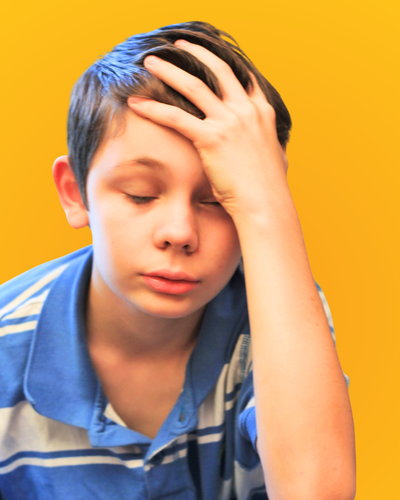


Students may not say “I’m anxious,” but they often express it indirectly. The words they use may be common for kids, but it should become a concern when used frequently, with extreme distress, or it prevents them from participating in school. These expressions often point to underlying anxiety, even if the student can’t name it directly.
Scroll through some common things anxious kids may be likely to say.
Light On Anxiety provides several tools and resources to help children and teens manage anxiety—from empirically-supported assessments to books, articles and and activities developed by LOA experts. You can use these with your students or share them with students and their families.
School social workers can offer supportive, de-stigmatizing ways to respond to students who may be feeling anxious. The goal is to validate the student’s emotions, reduce shame, and invite collaboration rather than pressure.
Scroll through some ways you can respond to students who may be experiencing anxiety:
ACTIVITY 3
The “Brave Prizes” strategy is a reward system and participative method where kids earn points for attempting anxiety-inducing tasks, no matter the result, building confidence and motivation along the way!
ACTIVITY 4
With simple, relatable scenarios, this activity spotlights the importance of recognizing anxious responses to everyday situations. Help your child question if they’re really in danger or if it’s just uncomfortable feelings misinterpreted as threats.
ACTIVITY 7
This activity first explores how to get your kid’s ‘Guard Dog’s’ attention. It can be incredibly challenging to think clearly amidst the barking- the metaphorical noise created by anxiety. Then it teaches your child how to soothe the ‘Guard Dog,’ quietening its barking, and allowing the mental space to realize that everything is indeed alright.
ACTIVITY 9
Get ready to demystify the confusing feelings of fear and anxiety. In this fun activity, your child will learn to recognize and understand these physical responses to fear. By understanding these sensations and acknowledging them as reactions to fear rather than fearing them, we can help them redefine their relationship with anxiety. Remember, it’s okay to feel afraid, your body is merely doing its job.
ACTIVITY 23
This game brilliantly defies the fear of making mistakes that often fuels anxiety disorders. While our brains may scream catastrophe at every blunder, this game teaches kids (and adults) that mistakes are not only okay, they’re opportunities for growth and learning.


Support
Below are a series of assessments that a child or their families can take Light On Anxiety. They are standard tools used to evaluate anxiety and related disorders. These are not meant to be diagnostic in nature but tools for better understanding.
Please note that once completed these forms are completely confidential, not saved and not shared with our staff. It is advised to download your results. As a social worker, please check with your administration if these assessments are within your working guidelines. These links can be shared directly with parents.
To see all of the assessments offered on our site, please visit our Assessments Page.
The Screen for Child Anxiety Related Disorders (SCARED) is a self-report instrument used to screen for childhood anxiety disorders including general anxiety disorder, separation anxiety disorder, panic disorder, and social phobia. In addition, it assesses symptoms related to school phobias.
The Screen for Child Anxiety Related Disorders (SCARED-P) is a parent-reported instrument used to screen for childhood anxiety disorders including general anxiety disorder, separation anxiety disorder, panic disorder, and social phobia. In addition, it assesses symptoms related to school phobias.
The Pediatric Symptom Checklist-17 (PSC-17) is a psychosocial screen designed to facilitate the recognition of cognitive, emotional, and behavioral problems so that appropriate interventions can be initiated as early as possible.

