Mental wellness isn’t built in a single therapy session—it grows through small moments of practice.
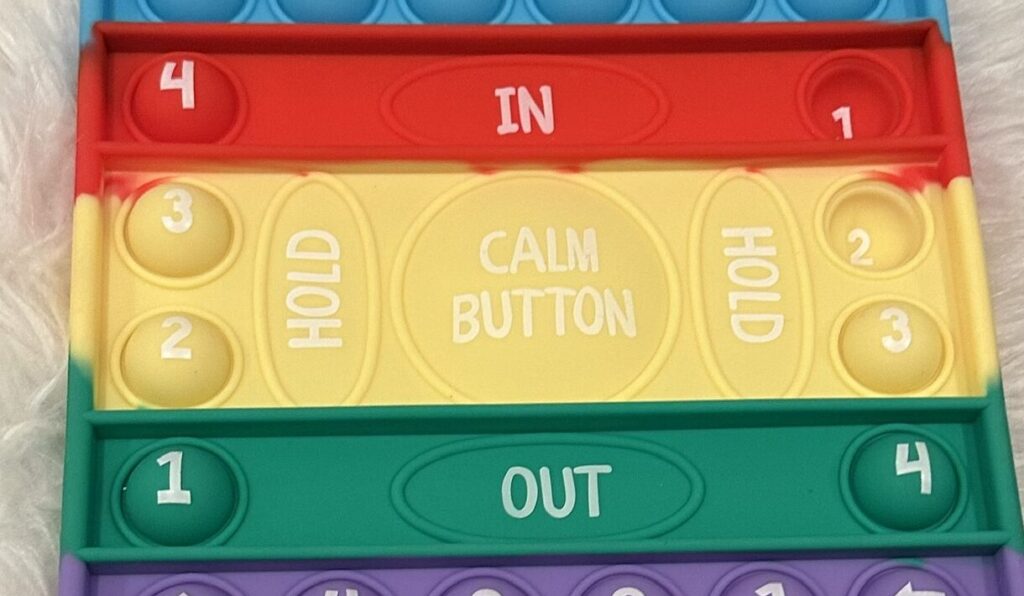
That’s why we’ve carefully selected a collection of fun, engaging, and evidence-informed tools designed to help children, teens, and adults strengthen the skills that support emotional well-being. From movement-based games and mindfulness tools to calming sensory products and brain-training activities, these resources help make mental wellness practice feel less like work and more like play.
Whether you’re looking to build resilience, improve focus, manage stress, strengthen emotional regulation, or reduce anxiety, these tools can help exercise the mental muscles that allow you to navigate life’s challenges with greater confidence and flexibility.
The Brain Gym includes tools and resources designed to support the work you are doing with your therapist. It is there to help you keep practicing between sessions and build on the progress you are making. While some items may make the work feel a little more fun or motivating, the real prize is the progress you create through therapy.
While you are working with your therapist at Light On Anxiety, The Brain Gym creates a framework for you to work on with your therapist, take home and work on independently, or for you to create a reward system at home with your parents.
This folder is a place to reflect, track what is helping, celebrate progress, and save your top tools so you can come back to them anytime.
An assortment of fidgets and other rewards to celebrate hitting your brave point milestones. Because every win deserves acknowledgment.
Set up your
Brave Point
Chart
Pick up a chart from the Brain Gym and work with your therapist to define your personal brave challenges — big or small.
Earn Points
for Brave
Behaviors
Celebrate
your
Milestones
At 20 brave points? Treat yourself. Choose a reward that matters to you — a splurge item, a small toy, or grab one of our fidgets from the Brain Gym.
Every one of our offices has a Brain Gym stocked and ready to support your therapy work. Your clinician can walk you through the tools and supplies that may be most helpful, so you can continue practicing between sessions.
Celebrate your progress. You’ve earned it.
In this video, Dr. Kissen breaks down the Brain Gym analogy for Cognitive Behavioral Therapy (CBT) — a fun and engaging way to understand how therapy helps you handle anxiety and build resilience.
Key points covered: