Treatments

In Vivo Exposures

Face fears in real life. Build confidence. Reclaim your freedom.

Avoidance keeps anxiety strong. In Vivo Exposure Therapy helps you break that cycle by gently and gradually facing feared situations in real-world settings — with the guidance and support of a trained therapist.

At Light On Anxiety, we use evidence-based exposure techniques to help children, teens, and adults reduce fear, increase confidence, and return to the activities and places anxiety has taken away.

What Is In Vivo Exposure Therapy?

In vivo means “in real life.

In Vivo Exposure Therapy is a structured Cognitive Behavioral Therapy (CBT) approach where individuals intentionally face situations, places, or activities they have been avoiding because of anxiety or fear.

Instead of avoiding what feels scary, you learn — step by step — that you can handle discomfort and that feared outcomes are often unlikely or manageable.

The goal is not to eliminate anxiety instantly.

The goal is to teach your brain and nervous system a new message:

This is uncomfortable, but I am safe and capable.

How Avoidance Fuels Anxiety

Avoidance brings short-term relief — but long-term anxiety growth.

When you avoid feared situations:

  • Your brain never gets the chance to learn the situation is safe
  • Fear feels more intense the next time
  • Your world gradually gets smaller

In Vivo Exposure Therapy helps reverse this pattern by replacing avoidance with planned, supported approach behaviors that build mastery and confidence.

What In Vivo Exposures Look Like in Therapy

Exposure is always gradual, collaborative, and personalized. Together with your therapist, you create a step-by-step plan called an exposure hierarchy — a ladder of challenges ranging from mildly uncomfortable to more difficult.

Examples of In Vivo Exposures may include:

  • Driving on highways or busy roads
  • Going to crowded stores or public places
  • Eating foods that trigger fear of choking or illness
  • Touching objects related to contamination fears
  • Making phone calls or initiating conversations
  • Attending social events
  • Being alone at home
  • Using public restrooms
  • Leaving “safety items” behind

You are never forced or pushed too fast. Progress happens at a pace that feels challenging but manageable.

What Happens During Exposure?

During an exposure, your therapist helps you:

✔ Stay in the situation long enough for anxiety to rise and fall naturally
✔ Practice coping skills like breathing, grounding, and mindful awareness
✔ Resist “safety behaviors” that keep fear alive
✔ Learn that anxiety is uncomfortable but not dangerous

Over time, your brain learns through experience — not just logic — that you can tolerate discomfort and remain safe.

What Conditions Can In Vivo Exposure Help Treat?

In Vivo Exposure Therapy is one of the most effective treatments for:

  • Panic Disorder
  • Agoraphobia
  • Social Anxiety Disorder
  • Specific Phobias (flying, driving, vomiting, choking, etc.)
  • Obsessive-Compulsive Disorder (OCD)
  • Health Anxiety
  • Separation Anxiety
  • Generalized Anxiety Disorder (GAD)
  • PTSD (as part of a structured treatment plan)

The Benefits of In Vivo Exposure Therapy

With consistent practice, clients often experience:

✨ Reduced anxiety and panic symptoms
✨ Increased confidence and independence
✨ Less avoidance of important life activities
✨ Greater emotional resilience
✨ A sense of freedom and control returning

Most importantly, clients discover:
Anxiety does not have to run the show.

Our Approach at Light On Anxiety

You don’t face fears alone.

Our therapists specialize in exposure-based treatments and provide:

  • Careful assessment and individualized planning
  • Step-by-step coaching during exposures
  • Skills for managing anxiety and uncertainty
  • A compassionate, non-judgmental environment
  • Collaboration with parents (when working with children/teens)
  • Coordination with prescribers when medication support is helpful

We combine science-backed treatment with genuine human support every step of the way.

Frequently Asked Questions

Exposure is designed to be gradual and manageable. You and your therapist decide the pace together.
You may feel temporary discomfort during exposures, but this is how the brain learns safety. Most clients find anxiety decreases more quickly over time.
Panic, while uncomfortable, is not dangerous. Your therapist will guide you through it and help you learn that you can handle the experience.
Many clients begin noticing progress within a few weeks, with significant improvement over several months depending on goals and frequency of practice.
Yes — real-life practice between sessions helps solidify progress. Your therapist will help you plan achievable steps.

Take the First Step Toward Freedom from Anxiety

Avoidance shrinks your world. Exposure helps you take it back.

If anxiety has been limiting where you go, what you do, or how you live, In Vivo Exposure Therapy can help you move forward with confidence.

Book an appointment today

Learn how exposure-based treatment at Light On Anxiety can help you or your child build courage, resilience, and lasting relief.

Light On Anxiety Books

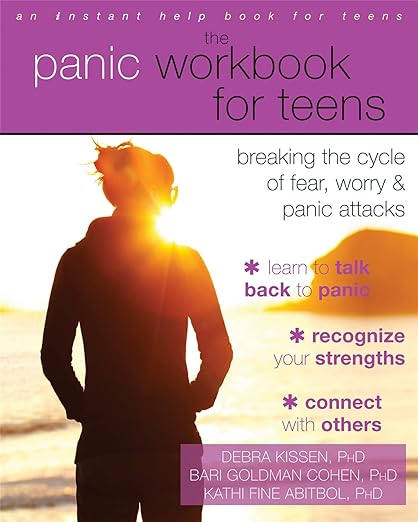
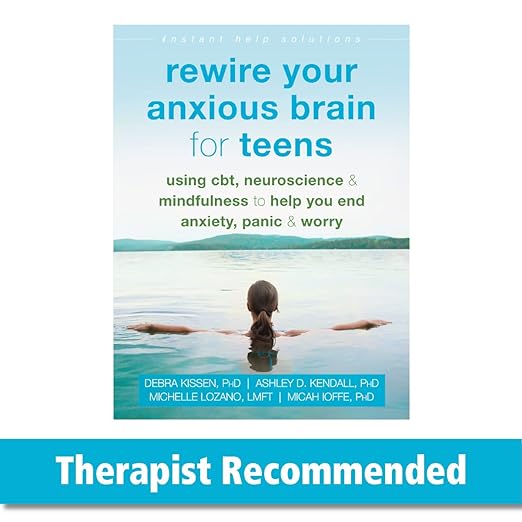
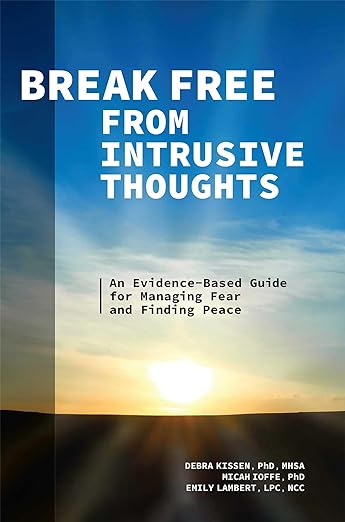
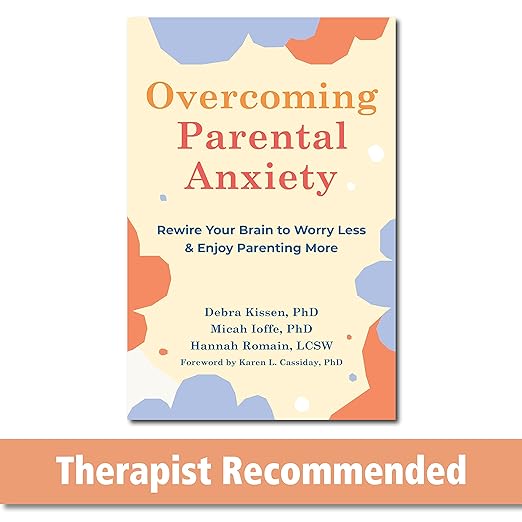
Self-Guided CBT: Your Path to Freedom From Anxiety

Light On Anxiety

LOA Expert Clinical Perspectives